
How the Hype Took Over
Mystery boxes aren’t new, but in the past couple of years they’ve exploded across YouTube, TikTok, and livestream platforms. The format is simple: someone pays for a sealed box of unknown items, opens it on camera, and banks on the surprise being worth it or at least entertaining. Some go big with high priced tech hauls, others chase cheap thrills with budget boxes off sketchy sites. Either way, it’s watchable. Sometimes addictive.
Why? Because these videos tap into something primal. Randomness gives the brain a little dopamine hit, even if the item is junk. There’s the suspense of not knowing what’s next and the thrill of the “near miss” when the prize isn’t great, but could’ve been. That psychological tease keeps people watching or buying again and again.
These videos walk a fine line between excitement and exploitation. At their best, they’re harmless fun. At their worst, they mirror the mechanics of gambling. Most viewers just want to see what’s inside. But some get hooked chasing that feeling of almost winning.
For more on the mind games behind the format, see Why We Love Mystery Boxes.
The Fine Line Between Entertainment and Exploitation
At first glance, mystery box unboxing videos seem harmless just influencers tearing into packages to see what’s inside. But when dollars and randomness mix, the line between content and gambling blurs fast. Some of these boxes cost $50, $100, or more, promising premium sneakers, limited edition tech, or luxury items. In reality? Often cheap filler, with a rare big win used as bait.
Younger viewers don’t always pick up on that. Many platforms still allow or even boost content that mimics gambling: flashy packaging, over the top reactions to big ticket wins, and a cycle that encourages repeated spending on chance. In some cases, sellers have flat out targeted kids and teens, offering flashy discounts or countdown timers to boost urgency.
What makes it murkier is the lack of transparency. Creators aren’t always clear whether they paid for the box themselves or got it for free. Some unboxings are preloaded with curated wins to hype the experience. Viewers don’t see the ten boring boxes it’s all hits, no misses, which distorts expectation and feeds compulsive engagement.
And because the content is so disposable fast, slick, and easily consumed there’s little accountability. This model thrives on short attention spans, quick emotional highs, and a feed that never stops scrolling. The ethical cost? A generation learning to chase risk dressed up as entertainment.
Safety Risks Hidden Inside the Box
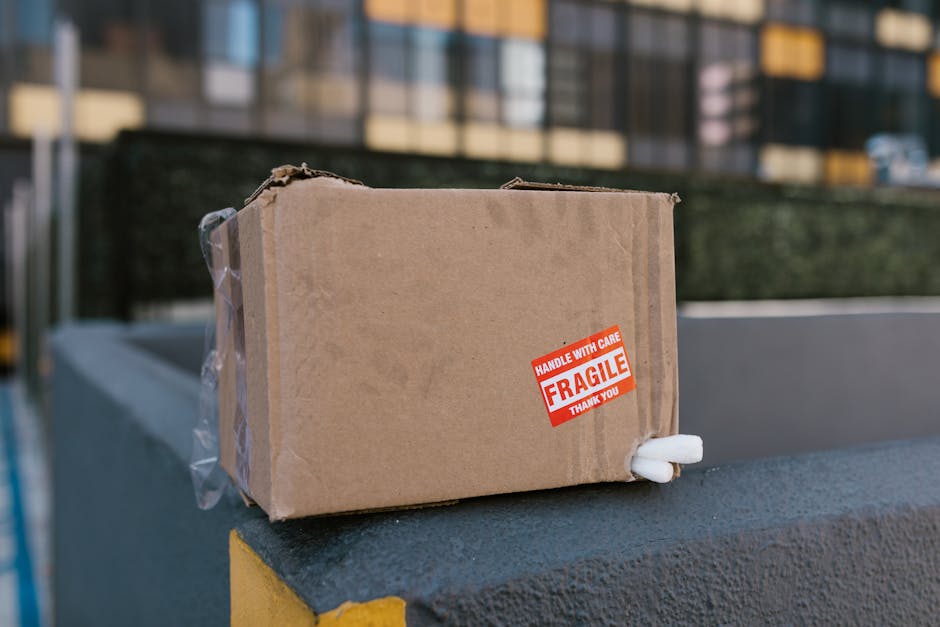
It’s one thing to buy a surprise it’s another to get burned by it. Mystery boxes, especially those shipped out by third party sellers or unvetted apps, have become breeding grounds for counterfeit and unsafe products. From fake electronics that short out, to expired cosmetics with no ingredients listed, the contents can do more than just disappoint they can harm.
The issue isn’t just the contents. These boxes often come with zero brand accountability. No return address. No contact info. No idea where the product came from, or who’s responsible if it breaks, burns, or causes a rash. Shady mystery box operations take advantage of weak quality control standards and the fact that consumers have very few protections once the box hits their doorstep.
There are plenty of horror stories. One viral video showed a buyer receiving knock off wireless earbuds that exploded while charging. Another streamer unboxed what seemed to be designer makeup only to find re labeled drugstore items with tampered seals. In both cases, there was no recourse. The seller had vanished.
Why does this keep happening? Simple: regulation hasn’t caught up. Mystery boxes sit in a legal gray zone. They’re technically retail, but also gambling adjacent. That makes it tough for agencies to define jurisdiction, let alone enforce rules. Until that changes, the burden’s on buyers and the creators who hype these boxes to tread carefully.
Responsible Curiosity: What Viewers and Creators Should Know
Before you click “buy now” on that mystery box ad promising $10,000 in loot for $99, stop and look for a few red flags. Legitimate sellers should clearly list odds, item categories, return policies, and customer service channels. If everything sounds too vague or too good to be true it probably is. Keep an eye out for boxes that use staged wins, aggressive countdown clocks, or influencer testimonials that don’t disclose sponsorships. Gambling mechanics with zero safeguards are another big warning sign.
For creators, there’s an ethical weight that comes with promoting mystery content. Your unboxing video might rack up views, but it can also nudge viewers many of them young or easily influenced into chasing the same dopamine highs. Transparency matters. If you’re being paid, say so. If you know the box was curated ahead of time, admit it. If the risks outweigh the fun, call that out. Entertainment doesn’t excuse enabling bad decisions.
The ripple effects are real. Repeated exposure to mystery box content can normalize impulsive spending and desensitize people to risk. It fosters a culture that values instant gratification over mindful consumption. Trust wears thin when followers feel misled or manipulated. And once trust is gone, so is long term loyalty.
For more on the psychology behind these boxes and why we keep coming back check out Why We Love Mystery Boxes.
The Bottom Line
Mystery boxes aren’t going away but the gap between how fast they’ve exploded and how slowly the guardrails are forming is growing harder to ignore. Transparency is still patchy. Regulation is barely reactive. Creators who hype questionable boxes without disclosures aren’t just bending ethics they’re setting up the whole space to implode.
What’s needed now is responsibility from the top down, and the bottom up. Platforms have to push clearer policies. Regulators need to close loopholes. But it also comes down to viewers and creators holding the line: asking questions, demanding receipts, and not rewarding shady play.
Mystery box culture isn’t inherently bad. The thrill works, the engagement sticks. But long term trust only happens when the mystery doesn’t feel rigged. If the culture matures if creators treat it like more than just a click generator then maybe this trend goes the distance. Otherwise, it burns out on its own hype.